
Aircraft Fume Events: What They Are and What to Do Next
If you smelled something like dirty socks, oil, or chemicals on a flight and felt sick afterward, you may have experienced a fume event. This guide explains what happens, how to protect your health and your evidence, and when a legal claim may be worth exploring.
What Is an Aircraft Fume Event?
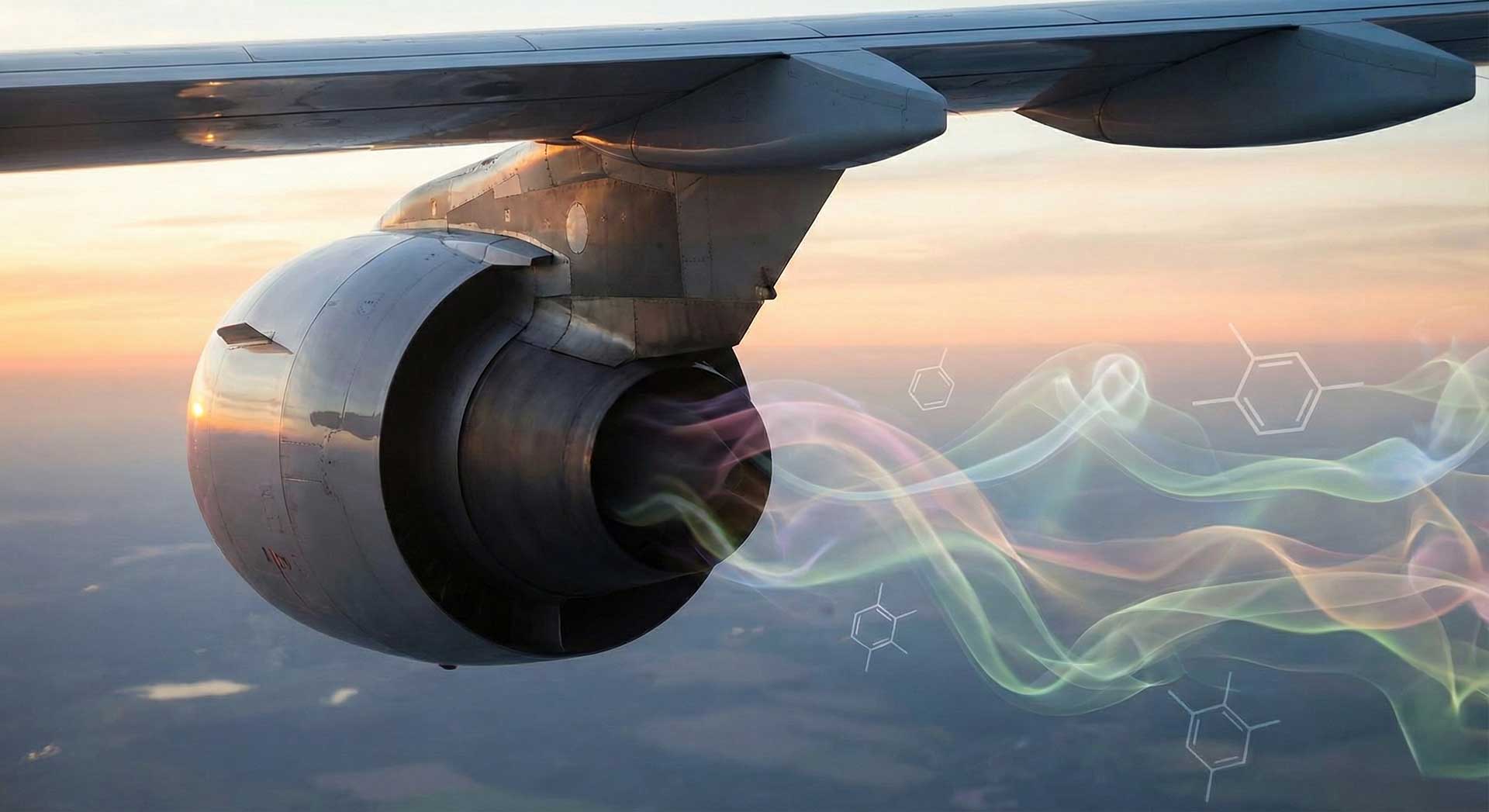
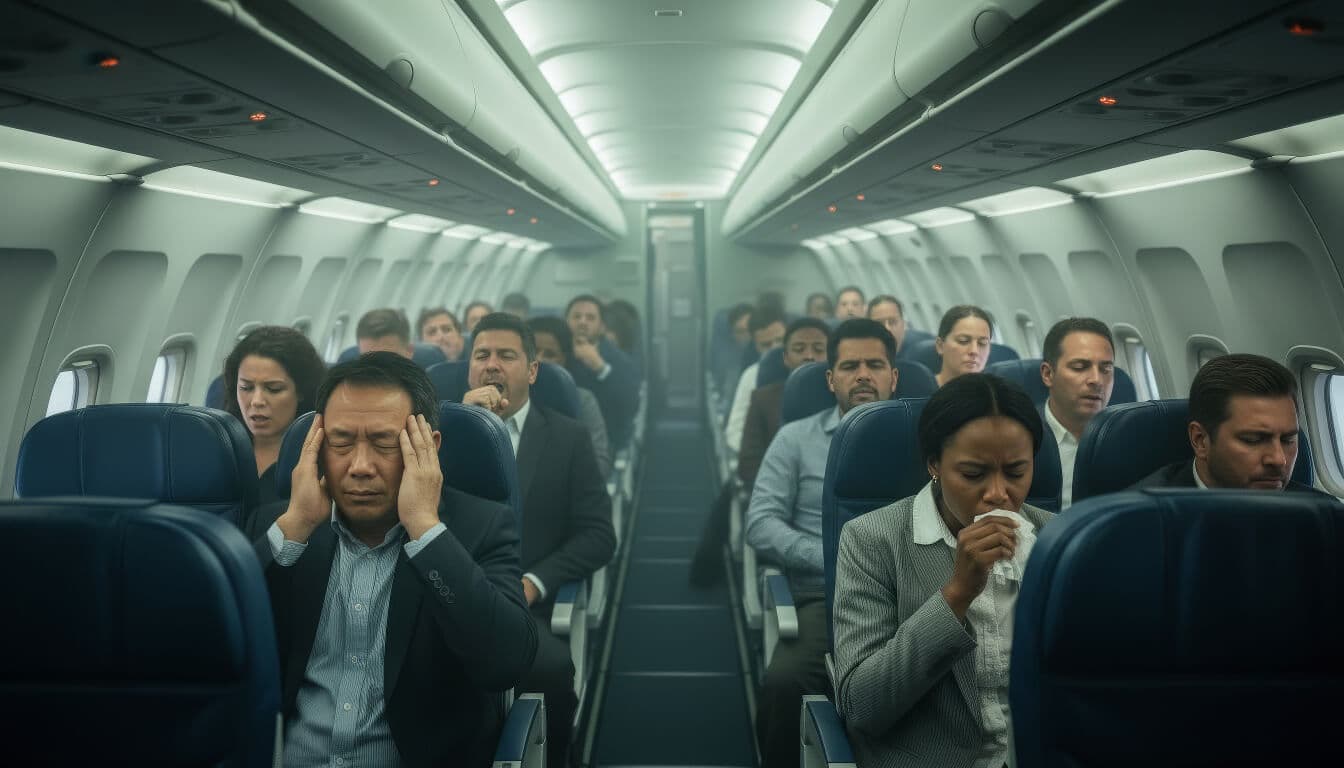
An aircraft fume event happens when engine oil, hydraulic fluid, or de-icing fluid leaks into an aircraft’s air supply and contaminated air enters the cabin or cockpit. Passengers and crew may notice a "dirty sock," oily, or chemical smell, sometimes with visible haze, and can be exposed to organophosphates and other toxic compounds.
Nearly all commercial jets — the Boeing 787 is the notable exception — pressurize the cabin with "bleed air" drawn from the engines. When seals wear or fail, heated engine oil containing organophosphate additives such as tricresyl phosphate (TCP) can contaminate that air supply. The FAA and the UK Civil Aviation Authority both acknowledge that fume events occur, and a September 2025 Wall Street Journal investigation reported that such incidents have been increasing.
Health Effects Reported After Fume Events
Reported effects range from short-lived irritation to lasting neurological, cognitive, respiratory, and physical problems. The recurring pattern of symptoms reported after contaminated-air exposure is often called aerotoxic syndrome— our symptoms guide covers all six symptom categories in detail. Flight crew face the highest exposure; our guide to how fume events affect flight crew health explains why.


After a Suspected Fume Event: 5 Steps
Get medical attention promptly
Tell the provider you suspect contaminated cabin air exposure and ask that it be noted in your records. Our guide to finding medical support after suspected exposure explains what testing to discuss.
Write everything down while it is fresh
Flight number, date, aircraft type, seat, what you smelled or saw, how you felt, and who else noticed. Our documentation guide walks through every record worth keeping.
Report the event
Crew should file the airline’s required safety and incident reports; passengers can report to the airline in writing and keep a copy.
Preserve evidence
Keep boarding passes, medical bills, correspondence, photos, and the names of witnesses. Do not rely on the airline to preserve records for you.
Get a legal assessment before deadlines pass
Claim deadlines (statutes of limitations) vary by state and claim type, and some are short. A free consultation can tell you whether a claim is worth pursuing. Learn what filing a claim involves.
Your Legal Options After a Fume Event
Crew Members
Workers' compensation may cover medical care and lost wages for on-the-job exposure. Separately, claims against third parties — such as aircraft or component manufacturers — may be available and can reach damages workers' compensation does not. See who may qualify for role-by-role details.
Passengers
Passengers injured by contaminated cabin air may have claims against manufacturers or other responsible parties. Recent cases show passengers pursuing these claims: see our aerotoxic lawsuit updates for what is being filed and where.

Every case is different. Nothing on this page is legal advice or a prediction of outcome; deadlines and available claims vary by state and circumstance.
Fume Event FAQs
What is an aircraft fume event?
An aircraft fume event happens when engine oil, hydraulic fluid, or de-icing fluid leaks into an aircraft’s air supply and contaminated air enters the cabin or cockpit. Passengers and crew may notice a "dirty sock," oily, or chemical smell, sometimes with visible haze, and can be exposed to organophosphates and other toxic compounds.
What does a fume event smell like?
Crew members most often describe a "dirty sock" or wet-dog odor, an oily or chemical smell, or an acrid electrical smell. Some events include visible haze or smoke in the cabin; others involve odor only.
What should I do immediately after a suspected fume event?
Seek medical attention promptly and tell the provider you suspect exposure to contaminated cabin air. Write down the flight number, date, aircraft type, and what you noticed, and keep copies of any airline or crew reports. Detailed documentation created early is the foundation of any later claim.
Can I make a legal claim after a fume event?
Possibly. Depending on the facts, crew members may have workers’ compensation claims, and both crew and passengers may have third-party claims against manufacturers or other parties. Whether you have a viable claim depends on your exposure, your medical evidence, and applicable deadlines, so it is worth having your situation reviewed promptly. Consultations with our firm are free.
How common are fume events?
Regulators acknowledge that fume events occur on commercial flights, and reporting is widely considered incomplete. A 2025 Wall Street Journal investigation reported that fume incidents have been increasing. Most events involve odor without visible smoke, and many go unreported or unrecognized.
Legal content on this page was reviewed by Nick Kassatly, Esq., personal injury attorney at Traction Law Group.
Exposed During a Fume Event?
Free case review. No fees unless we recover compensation for you.
Start Your Free Case Review