
Aerotoxic Syndrome: Symptoms, Causes, and Your Legal Options
Aerotoxic syndrome is the term used to describe neurological, cognitive, respiratory, and physical symptoms reported after breathing contaminated aircraft cabin air. Most jet aircraft pressurize the cabin with “bleed air” drawn from the engines. When heated engine oil leaks into that supply (a “fume event”), crew and passengers can be exposed to organophosphates and other toxic compounds.
Are you a pilot, flight attendant, frequent traveler, or aviation worker with unexplained symptoms after aircraft cabin fumes? This page explains the aerotoxic syndrome symptoms people report, how a fume event can happen, and how to request a free case review.
Legal content reviewed by Nick Kassatly, Esq., personal injury attorney.
Last reviewed: Updated:

Key Points
- Aerotoxic syndrome describes symptoms reported after breathing contaminated aircraft cabin air. The FAA and the UK Civil Aviation Authority have not adopted it as a formal diagnosis.
- Reported symptoms include headache, dizziness, balance problems, tingling, brain fog, eye and throat irritation, cough, and fatigue. Many of the same symptoms have other causes.
- Acute symptoms are most often reported during the flight or within hours.
- There is no single test that confirms this syndrome. See a physician and describe the flight, any odor or haze, and when symptoms started.
- Crew members may have workers’ compensation options. Crew and passengers may have claims against other parties, depending on the facts and the deadline.
What Is Aerotoxic Syndrome?
Researchers and clinicians use the term, but the FAA and the UK Civil Aviation Authority have not adopted it as a formal diagnosis.
The FAA does say that, in rare instances, an engine oil-seal failure can send fumes into the cabin, and airlines must report smoke, vapor, or noxious odors.[8]
If you believe you were exposed, these guides can help:
- Aircraft fume events: what to do in the hours after one
- How to document a suspected fume event
- How to find medical support after suspected exposure
Wondering about your legal options? Start with filing an aerotoxic syndrome claim or see who may qualify for compensation.
Symptoms after a flight, or after months of flying? A free case review looks at your exposure and your options.
Request Your Free Case ReviewKey Terms Explained
- Bleed air
- Air drawn from the engines. Most jet aircraft use it to pressurize the cabin.
- Fume event
- When heated engine oil leaks into the bleed-air supply. Crew and passengers can then be exposed to organophosphates and other toxic compounds.
- TCP (tricresyl phosphate)
- An organophosphate the FAA’s 2015 bleed-air review describes as an anti-wear additive in many jet engine oils, about 3% by volume.[9]
- TOCP (tri-ortho-cresyl phosphate)
- The ortho isomer of TCP. It is the neurotoxic form and about 0.1% of the oil.[9]
What Are the Symptoms of Aerotoxic Syndrome?
Reported symptoms are often grouped into these six categories so they are easier to scan. They vary by person, and many of the same symptoms have other causes.
- Neurological symptoms
- Cognitive impairment
- Visual symptoms
- Respiratory symptoms
- Physical and systemic symptoms
- When symptoms appear
How Symptoms Vary
Individual Variation
Symptoms vary significantly between individuals.
Acute Onset
Acute symptoms are most often reported during the flight or within hours.
Chronic Development
Some people report symptoms they connect to repeated flying. That link is still debated.
Worsening Effect
Published case reports describe symptoms returning after a later flight.[2]

Neurological Symptoms
Headache, dizziness, balance problems, and tingling are among the neurological symptoms people report. Published case series describe both central and peripheral nervous system complaints. These symptoms have many other causes.
Headaches and Head Pain
- Persistent or severe headaches during or after flights
- Migraines triggered by flying
Dizziness and Balance Issues
- Loss of balance affecting movement
Sensory Problems
- Tingling in hands, feet, or extremities
- Numbness or “pins and needles”
- Changes in smell or taste
- Light or sound sensitivity
Motor Function Issues
- Tremors (especially in hands)
- Muscle twitches
- Loss of fine motor control
- Weakness in limbs
Cognitive Impairment
Cognitive symptoms are commonly reported, including reduced information processing speed, memory problems, and concentration difficulties. They are not unique to cabin-air exposure.
“Brain Fog” and Confusion
- Persistent mental confusion
- Clouded thinking
- Feeling “slowed down”
Memory Problems
- Short-term memory impairment
- Forgetting conversations
- Word-finding difficulties
Concentration Deficits
- Inability to focus
- Easy distractibility
- Difficulty with complex procedures
Communication Issues
- Trouble expressing thoughts
- Slurred or unclear speech
Slowed Processing
- Delayed reaction times
- Difficulty making decisions
Mood Changes
- Irritability
- Depression
- Anxiety about flying
- Personality changes

Visual Symptoms
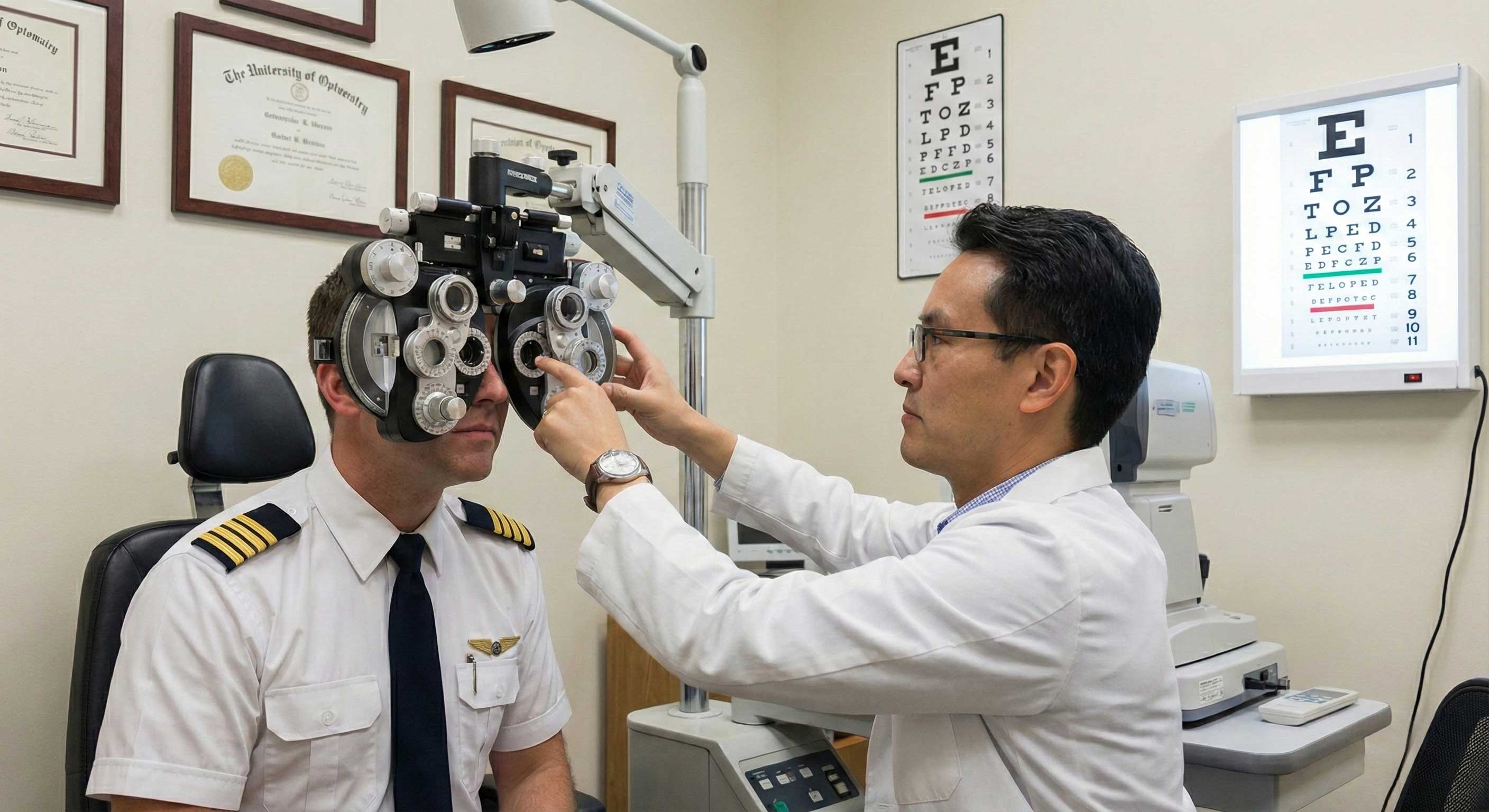
Eye irritation is among the symptoms the UK CAA lists at the time of a fume event.[10] Blurred vision and related changes appear in published case reports of aircrew. Sudden vision loss needs emergency care.
Vision Impairment
- Blurred or foggy vision
- Double vision
- “Tunnel vision” or reduced peripheral vision
- Poor depth perception
Eye Problems
- Chronic eye irritation
- Dry or excessively watery eyes
- Burning sensation
- Inflammation of eyelids
Light Sensitivity
- Heightened sensitivity to bright lights (photophobia)
- Difficulty adjusting to lighting changes
Respiratory Symptoms
Nose and throat irritation, cough, and shortness of breath are among reported symptoms. A 2021 case series in the journal Lung described irritant-induced asthma in people the authors classified as having aerotoxic syndrome.[6]
Breathing Difficulties
- Shortness of breath
- Chest tightness
- Wheezing
- Feeling unable to get enough air
Persistent Cough
- Chronic cough lasting weeks
- Dry or productive cough triggered by irritants
Airway Irritation
- Throat irritation
- Nasal burning
- Recurring sinus problems
- Hoarseness
Chemical Sensitivity
- New sensitivity to perfumes or cleaning products
- Respiratory reactions to odors


Physical & Systemic
Crew and passengers have also reported whole-body symptoms, including fatigue and stomach upset. The UK CAA lists fatigue, skin problems, and gastrointestinal symptoms among longer-term reports, and notes they are non-specific.[10]
Chronic Fatigue
- Overwhelming exhaustion not relieved by rest
- Debilitating fatigue
Muscle and Joint Issues
- Unexplained muscle weakness
- Aches
- Joint pain
- Loss of strength
Cardiovascular Problems
- Irregular heartbeat
- Blood pressure changes
- Chest pain or palpitations
Gastrointestinal Issues
- Nausea
- Vomiting
- Abdominal cramping
- Loss of appetite
Skin Problems
- Unexplained rashes
- Irritation
- Chemical burns
- Sensitivity
When Symptoms Appear
Acute Symptoms (Immediate)
Most often reported during the flight or within hours. The UK CAA includes eye, nose, and throat irritation, headache, dizziness, and tingling in that short-term list.[10]
- Sudden confusion or cognitive impairment
- Dizziness, severe headaches, nausea
- Eye and throat irritation
- Coordination difficulties

Chronic Symptoms (Long-term)
Some people report cognitive problems, stomach upset, or fatigue that continues.
The figures below are from one self-report survey of 274 UK BAe 146 pilots (Michaelis, Burdon, and Howard, 2017).[11] They are not a rate for all airlines, and the groups can overlap.
44%
reported short-term effects lasting days to weeks
32%
reported effects lasting weeks to months
13%
had died or had chronic ill health leading to permanent loss of fitness to fly. The paper does not attribute each death to cabin air.
Source: Michaelis, Burdon, and Howard, Public Health Panorama (2017).
The UK CAA separately says there is no evidence that short-term symptoms from a fume event lead to long-term health problems. It also notes that some people report symptoms that persist or develop later, and that these symptoms are non-specific and can have other causes.
Why Do These Symptoms Occur?
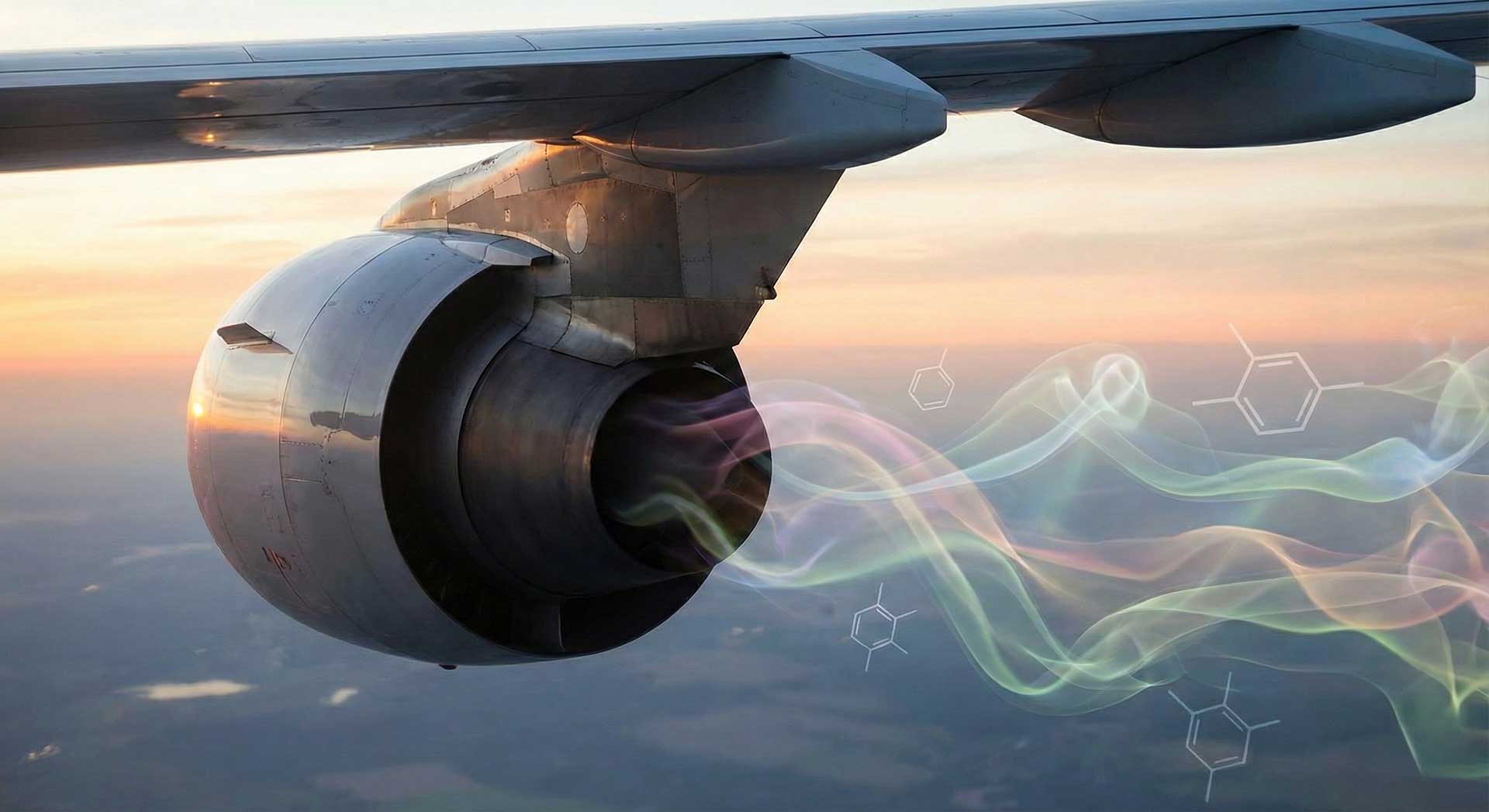
When heated engine oil leaks into the bleed-air supply, crew and passengers can be exposed to organophosphates and other toxic compounds. These are the substances discussed most often:
Organophosphates (TCP)
The FAA's 2015 bleed-air review describes tricresyl phosphate as an anti-wear additive in many jet engine oils, about 3% by volume. The ortho isomer, TOCP, is the neurotoxic form and about 0.1% of the oil.[9] Routine cabin measurements of TCP cited in that review were very low. Levels during a fume event are harder to measure.
Carbon Monoxide
The FAA uses carbon monoxide as one indicator of cabin air quality. It is not, by itself, an explanation for every symptom people report after a fume event.
Ultrafine Particles
A 2022 review in Advances in Neurotoxicology says oil contamination in the compressor can produce nanoparticles in bleed air under most operating conditions.[1] That is a research statement, not an FAA finding that every flight delivers a toxic dose.
Other Chemicals
The same 2022 review notes chemicals from hydraulic fluid and engine oil, including solvents.[1] FAA bleed-air tests have also included hydraulic fluid and de-icing fluid.
Is There a Test for Aerotoxic Syndrome?
There is no single confirmatory test.
Biomarkers discussed in research
A 2020 Clinical Toxicology paper discusses these as research tools.[3], [4] They are not a test that confirms aerotoxic syndrome:
- Reduced butyrylcholinesterase, reported in some studies.
- Elevated neuronal and glial autoantibodies, reported in some studies.
Neurological testing
The UK CAA says to investigate persistent symptoms the same way as in a patient with no cabin-air history.[10] Research papers have discussed:
- Neuropsychological assessment when cognitive symptoms need to be documented.
- MRI or other imaging when a clinician orders it for the symptoms at hand.
- PET imaging, used in some studies, not as a routine diagnosis.
What Should You Do If You Have Symptoms?

Seek Medical Attention Promptly
See a physician and describe the flight, any odor or haze, and when symptoms started. Chest pain, trouble breathing, or sudden confusion needs urgent care. There is no single test that confirms this syndrome.
Document Everything
Keep a detailed symptom diary. Record all flights and aircraft types. Our guide to documenting a suspected aircraft fume event walks through each step.
Report Incidents
File formal reports with your employer and authorities (Air Safety Reports).
Avoid Re-Exposure
Discuss with your doctor whether continued flying is safe. Published case reports describe symptoms returning after a later flight.[2]
Request a free case review
Crew members may have workers' compensation options. Crew and passengers may have claims against other parties, depending on the facts and the deadline. Request a free case review.
Aerotoxic Syndrome FAQs
What is aerotoxic syndrome?
Aerotoxic syndrome is the term used to describe neurological, cognitive, respiratory, and physical symptoms reported after breathing contaminated aircraft cabin air. Most jet aircraft pressurize the cabin with “bleed air” drawn from the engines. When heated engine oil leaks into that supply (a “fume event”), crew and passengers can be exposed to organophosphates and other toxic compounds.
Is aerotoxic syndrome a formal medical diagnosis?
Researchers and clinicians use the term, but the FAA and the UK Civil Aviation Authority have not adopted it as a formal diagnosis. The FAA does say that, in rare instances, an engine oil-seal failure can send fumes into the cabin, and airlines must report smoke, vapor, or noxious odors.
What are the neurological symptoms of aerotoxic syndrome?
Neurological symptoms that have been reported include persistent headaches, dizziness, balance issues, tremors, numbness, and tingling in the extremities. The UK Civil Aviation Authority lists headache, dizziness, and tingling among symptoms reported at the time of a fume event.
Does aerotoxic syndrome cause cognitive impairment?
Cognitive symptoms are often reported, including brain fog, memory problems, difficulty concentrating, slowed processing, and mood changes. They are not unique to cabin-air exposure and can have other causes.
When do symptoms of aerotoxic syndrome appear?
Acute symptoms are most often reported during a flight or within hours of a suspected exposure. Some people report symptoms that last longer or that they notice after repeated flights.
Can aerotoxic syndrome symptoms be long-term?
The UK CAA says there is no evidence that short-term symptoms from a fume event lead to long-term health problems. It also notes that some people report symptoms that persist or develop later, and that these symptoms are non-specific and can have other causes.
Is there a test for aerotoxic syndrome?
There is no single confirmatory test. The UK CAA says to investigate persistent symptoms the same way as in a patient with no cabin-air history. A 2020 Clinical Toxicology paper discusses some biomarkers as research tools. They are not a test that confirms aerotoxic syndrome.
What should I do if I have symptoms after a flight?
See a physician and describe the flight, any odor or haze, and when symptoms started. Chest pain, trouble breathing, or sudden confusion needs urgent care. Keep a detailed symptom diary, and record all flights and aircraft types.
Can I make a claim for aerotoxic syndrome?
Crew members may have workers’ compensation options. Crew and passengers may have claims against other parties, depending on the facts and the deadline. A case review with our firm is free and does not by itself create an attorney-client relationship.
Medical Sources
Claims on this page are tied to the government pages and published studies below. Numbers in brackets in the text, like [9], point to this list.
Peer-Reviewed Medical Journals:
- Hageman et al. (2022) - "Aerotoxic syndrome: A new occupational disease caused by contaminated cabin air?" (ScienceDirect)
- Prolonged Disability following Re-Exposure after Complete Recovery from Aerotoxic Syndrome: A Case Report (NIH/PMC)
- Three patients with probable aerotoxic syndrome (PubMed)
- Aerotoxic syndrome, discussion of possible diagnostic criteria (PubMed)
- Aerotoxic Syndrome—Susceptibility and Recovery (PMC)
- Irritant-induced Asthma Caused by Aerotoxic Syndrome (PMC)
- Aerotoxic syndrome: fact or fiction? (PubMed)
Government and the pilot survey:
- FAA, Cabin Air Quality (updated September 4, 2025)
- FAA, Aircraft Cabin Bleed Air Contaminants: A Review (December 2015)
- UK Civil Aviation Authority, aircraft fume events: guidance for health professionals
- Michaelis, Burdon, and Howard (2017), Public Health Panorama, BAe 146 pilot survey
Legal Disclaimer
The information on this page is drawn from government guidance and published research and is provided for general information. It is not medical advice and it is not legal advice. The FAA and the UK CAA have not adopted aerotoxic syndrome as a formal diagnosis.
If you have symptoms, see a qualified clinician. For legal advice specific to your situation, contact our firm. A case review with our firm is free and does not by itself create an attorney-client relationship.
Legal content on this page was reviewed by Nick Kassatly, Esq., personal injury attorney at Traction Law Group. Last reviewed: .
See Whether You May Have a Claim
A free case review looks at the flight, your symptoms, and which deadlines may apply. There is no fee for the review.
Request Your Free Case Review