
Ground Maintenance Staff
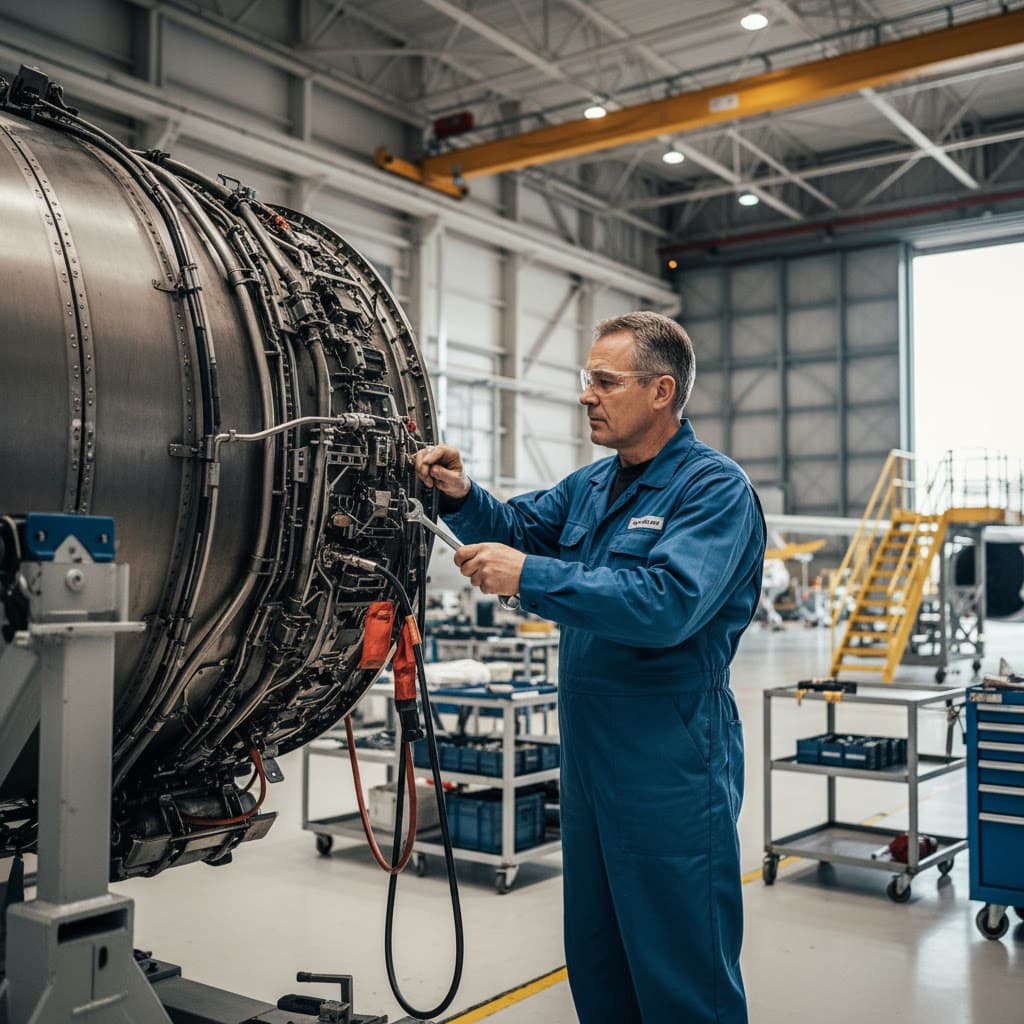
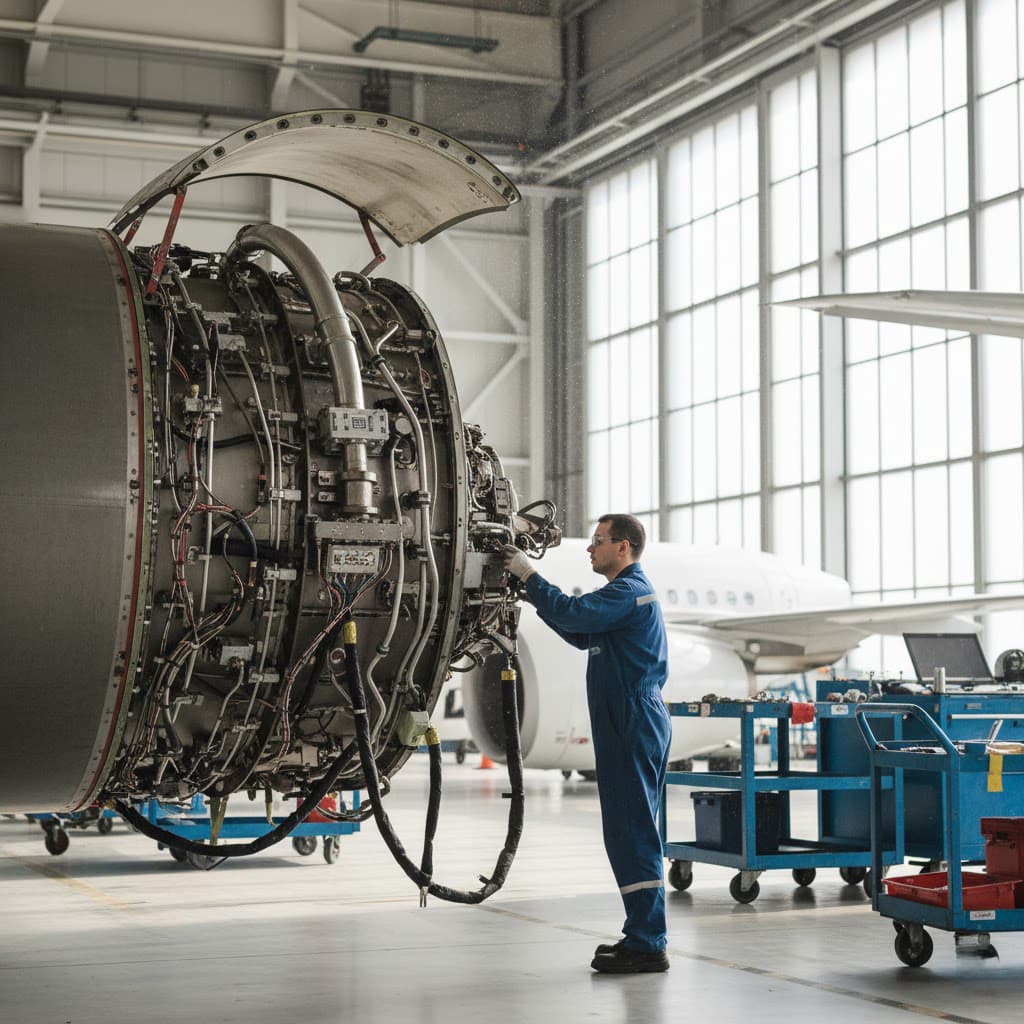
Aircraft maintenance technicians, mechanics, and ground crew who service aircraft engines, APUs, and environmental control systems. Direct exposure to engine oils, bleed air systems, and contaminated aircraft interiors places ground staff at significant risk.

Documented Symptoms
As ground maintenance staff, you work directly with aircraft systems that are the source of toxic bleed air contamination. Your exposure can occur during engine runs, APU testing, troubleshooting environmental control system problems, or working in recently contaminated aircraft cabins. These exposures can cause serious and lasting health effects.
These overlap with the broader pattern of aerotoxic syndrome symptoms reported after exposure to contaminated cabin air.
Many affected individuals report:
Fume Event Exposure
Your risk comes from multiple exposure pathways: breathing fumes during engine or APU operations, handling oil-soaked components, entering contaminated aircraft cabins during troubleshooting, and exposure to residual contaminants on aircraft surfaces. Unlike flight crew, you may receive higher concentration exposures over shorter periods. You may have a valid aerotoxic syndrome claim if you experienced:
Acute Exposure Events
- ›You performed an engine ground run or APU test and noticed unusual smoke, oil mist, or strong odors
- ›You entered an aircraft cabin immediately after a reported fume event to troubleshoot the problem
- ›You worked on bleed air system components or air conditioning packs and experienced symptoms during or after the work
- ›You handled oil-soaked engine seals, bearings, or contaminated air conditioning components
- ›You experienced immediate symptoms (dizziness, nausea, respiratory distress, confusion) while working on aircraft systems
Chronic Occupational Exposure
- ›You have worked as an aircraft mechanic or technician for multiple years, particularly on Boeing 737, 757, 787, or Airbus A320 family aircraft
- ›You routinely performed engine runs, APU tests, or environmental control system troubleshooting
- ›You frequently worked on aircraft following reported fume events or 'dirty socks smell' complaints
- ›Your job duties included cleaning or decontaminating aircraft cabins after fume events
- ›You have documented health problems that correlate with your work schedule or specific aircraft maintenance activities
High-Risk Maintenance Activities
- ›You specialized in engine maintenance, particularly seal replacements
- ›You worked on APU systems, air conditioning packs, or bleed air valves
- ›You performed oil leak troubleshooting on engines or APUs
- ›You worked in aircraft interiors conducting 'sniff tests' to locate odor sources
- ›You were assigned to fume event investigation or documentation
Important Considerations
Your exposure as maintenance staff may be covered under workers' compensation, but you may also have third-party claims against aircraft manufacturers, parts suppliers, or others. Our firm can evaluate all potential sources of compensation for your injuries.
🩺 Critical Medical Documentation
Document your exposure thoroughly to build a strong claim. Keep copies of all maintenance logs, work orders, and fume event reports you were involved with. Photograph contaminated components, oil-soaked parts, or visible residue you encountered. Report every exposure to your supervisor and ensure incident reports are filed. See a doctor immediately after any acute exposure event and for any developing chronic symptoms. Tell your physician exactly what you do, what you were exposed to, and what aircraft systems you work on. Request medical testing for organophosphate exposure biomarkers. Keep all occupational health records, including any respirator fit tests, exposure monitoring, or company medical exams.
⏳ Strict Statutes of Limitations
Ground staff claims may involve both workers' compensation deadlines and personal injury statutes of limitations for third-party claims. These deadlines vary by state and the specific type of claim. The timeline may start from a specific exposure event, the date you were taken off work due to symptoms, or when you discovered your illness was work-related. Do not assume workers' compensation is your only option—you may have additional claims worth significantly more. Contact us immediately for a complete case evaluation.
✅ No Fee Unless We Win
Aerotoxic syndrome may have forced you out of your aviation maintenance career and left you unable to work. You need compensation, not more financial stress. We handle aerotoxic syndrome cases on a pure contingency fee basis—we only get paid if we successfully recover compensation for you. You pay nothing upfront, and your initial case review is free with no obligation.
Other Groups at Risk
Contaminated cabin air affects everyone on board. These groups also may have claims after exposure:
Frequently Asked Questions
What symptoms of aerotoxic syndrome do aircraft maintenance workers report?
Ground maintenance staff have reported neurological and cognitive symptoms such as difficulty concentrating on maintenance tasks, memory problems, and brain fog affecting technical troubleshooting; physical ailments including chronic fatigue, muscle weakness, and tremors affecting fine motor skills; respiratory distress such as persistent cough and chest tightness during or after engine runs; and other symptoms including skin rashes or chemical burns, nosebleeds, and heightened sensitivity to petroleum products, hydraulic fluids, or engine oils.
What exposure qualifies ground maintenance staff for an aerotoxic syndrome claim?
You may have a claim if you performed an engine ground run or APU test and noticed unusual smoke, oil mist, or strong odors; entered an aircraft cabin immediately after a reported fume event to troubleshoot the problem; worked on bleed air system components and experienced symptoms; or handled oil-soaked engine seals, bearings, or contaminated air conditioning components — or if you have worked as an aircraft mechanic or technician for multiple years with routine exposure to engine runs, APU tests, or fume event cleanup.
What medical documentation strengthens a ground maintenance staff aerotoxic syndrome claim?
Copies of maintenance logs, work orders, and fume event reports you were involved with, along with photographs of contaminated components or visible residue. Report every exposure to your supervisor and ensure incident reports are filed, see a doctor after any acute exposure event, and request medical testing for organophosphate exposure biomarkers. Occupational health records, including respirator fit tests and exposure monitoring, also support a claim.
Are there strict statutes of limitations for aerotoxic syndrome claims for ground staff?
Yes. Ground staff claims may involve both workers' compensation deadlines and personal injury statutes of limitations for third-party claims, which vary by state and claim type. The timeline may start from a specific exposure event, the date you were taken off work due to symptoms, or when you discovered your illness was work-related — do not assume workers' compensation is your only option, and contact us promptly for a full evaluation.
Legal content on this page was reviewed by Nick Kassatly, Esq., personal injury attorney at Traction Law Group.
Start Your Claim Today
Don't let time run out on your claim. Our team is ready to evaluate your case for free.
Get Your Free ConsultationNeed Immediate Help?
Our team is standing by to answer your questions. Call us 24/7.
(833) 236-8253Request Callback